
How to Test GraphQL APIs with Bruno: Queries, Mutations & Assertions
Here's a fact that catches almost everyone the first time: a GraphQL query can fail while the API still responds with 200 OK. The request didn't error out at ...
Your home for API resources, updates, and community news.
Here's a fact that catches almost everyone the first time: a GraphQL query can fail while the API still responds with 200 OK. The request didn't error out at ...
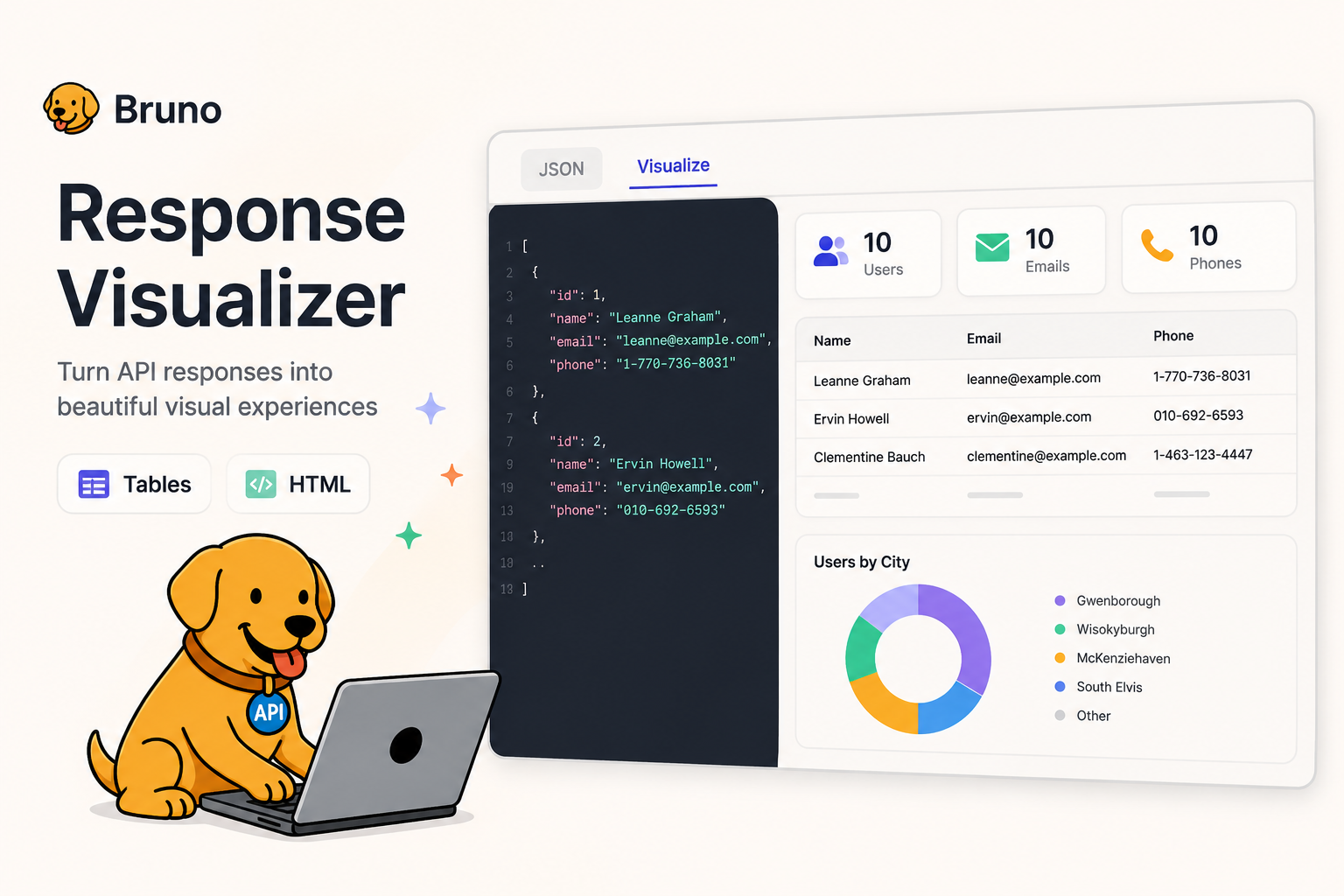
Working with APIs often means dealing with large and deeply nested JSON responses. While raw JSON is useful, it quickly becomes difficult to scan, debug, and ...
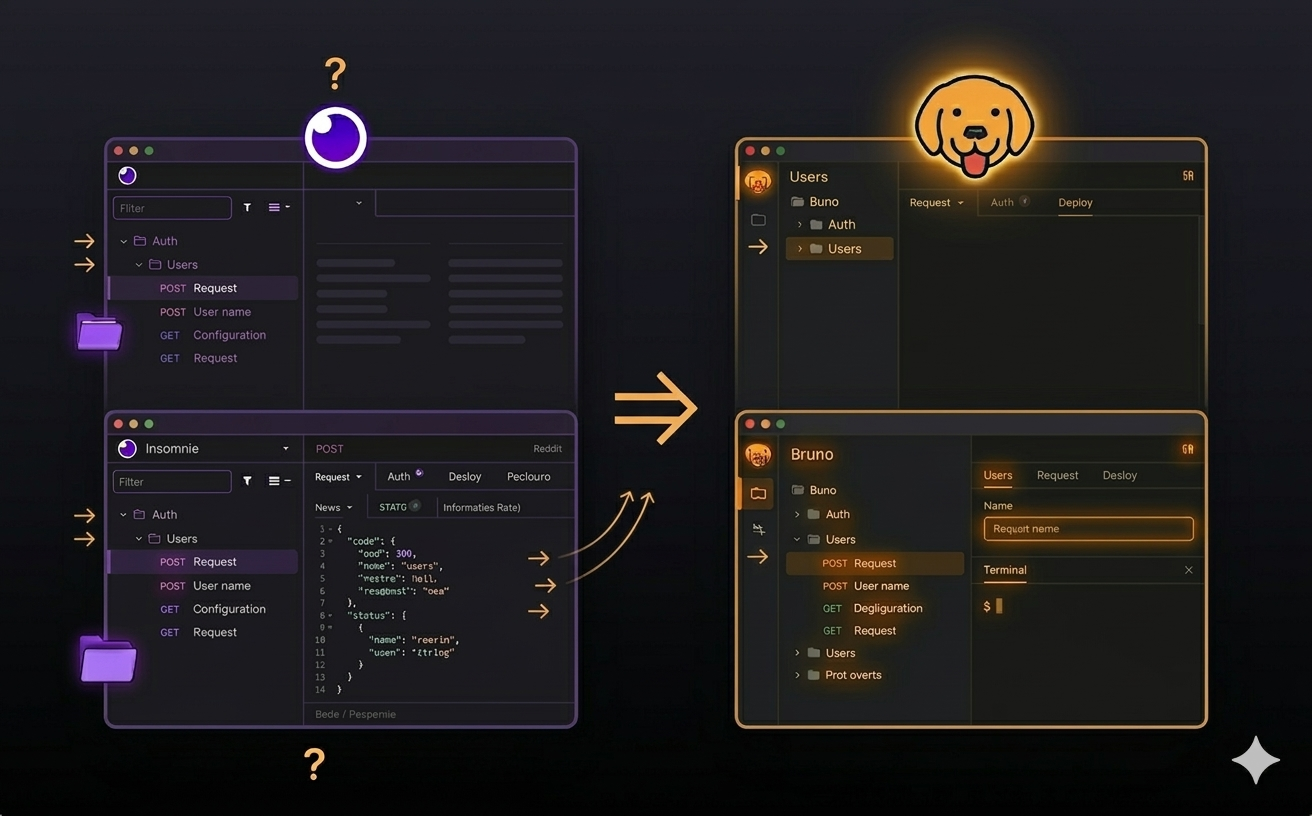
Looking to move from Insomnia to Bruno? This guide walks you through the migration process step by step, including how to export your Insomnia collection, ...
FastAPI helps you build APIs faster with automatic OpenAPI documentation, built-in Swagger and ReDoc support, and a clean Python developer experience. Bruno ...
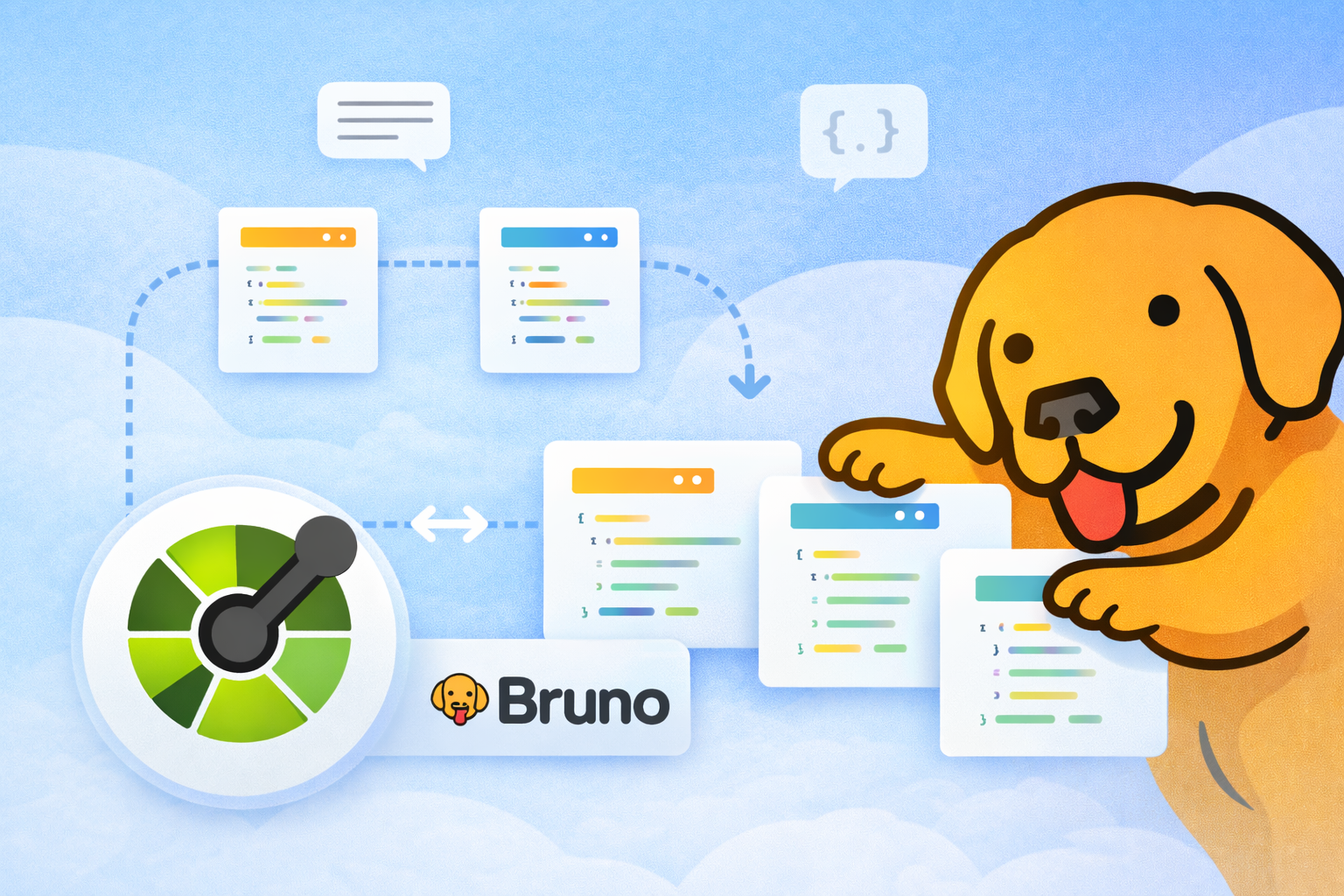
Keeping API collections aligned with a constantly evolving OpenAPI or Swagger specification can be frustrating. Teams often end up manually re-importing specs, ...
Table of Contents Building Docs from Scratch: A User-First Approach Choosing Your Documentation Platform: A Landscape of Options Conclusion Great software ...
Table of Contents Introduction: How Frontend API Tooling Actually Evolved 1. The Early Days: XMLHttpRequest (XHR) 2. Axios: The Default Before Fetch Was ...
Guest post by Ashwini Chaudhary (Diversio). Originally published on ashwch.com . Republished here with permission.
This post was guest authored by Costa Alexoglou. If you're interested in contributing to the Bruno blog you can reach us at devrel@usebruno.com!
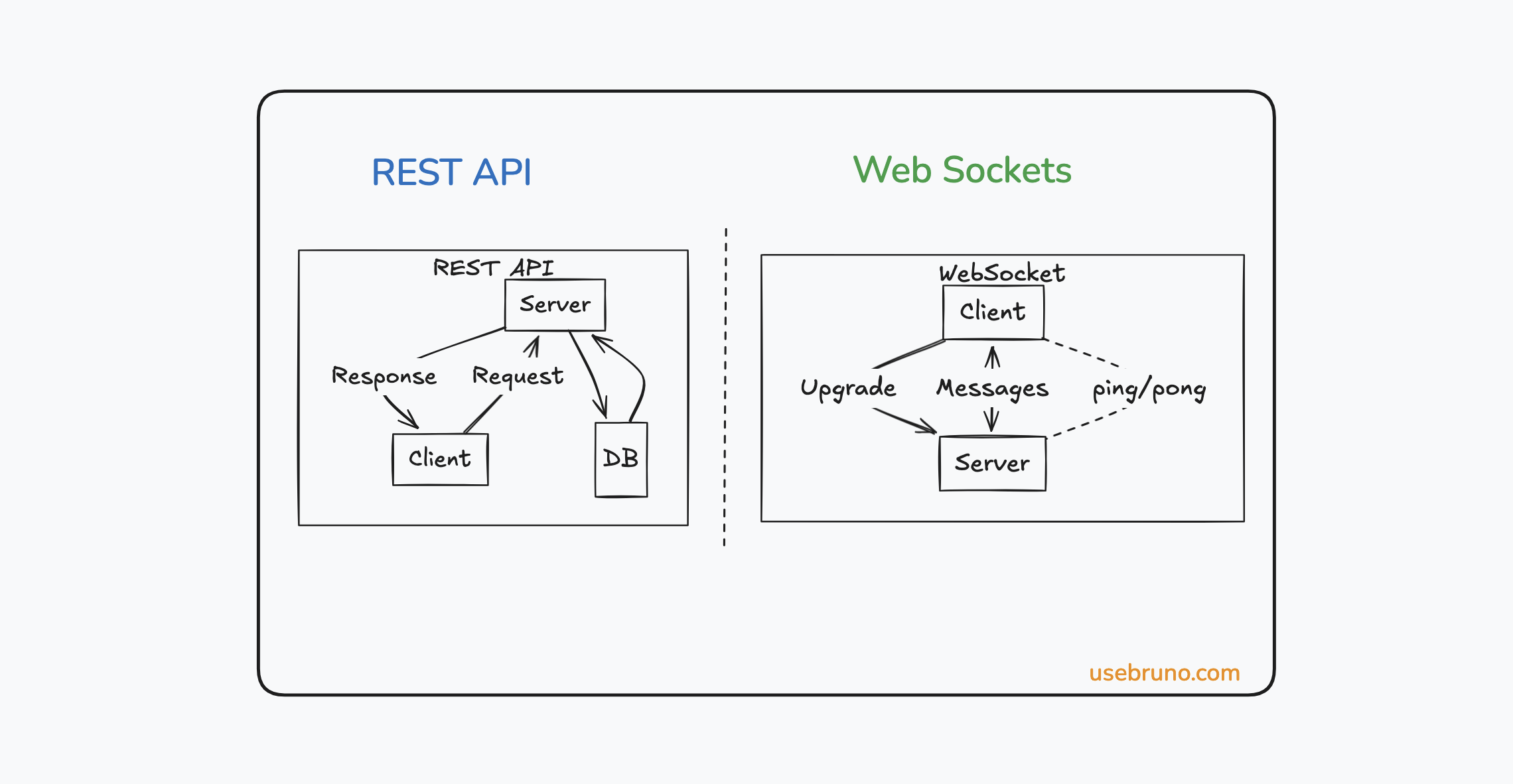
In the evolving landscape of web development, the demand for instant, seamless user experiences is higher than ever. While REST APIs have long been the ...
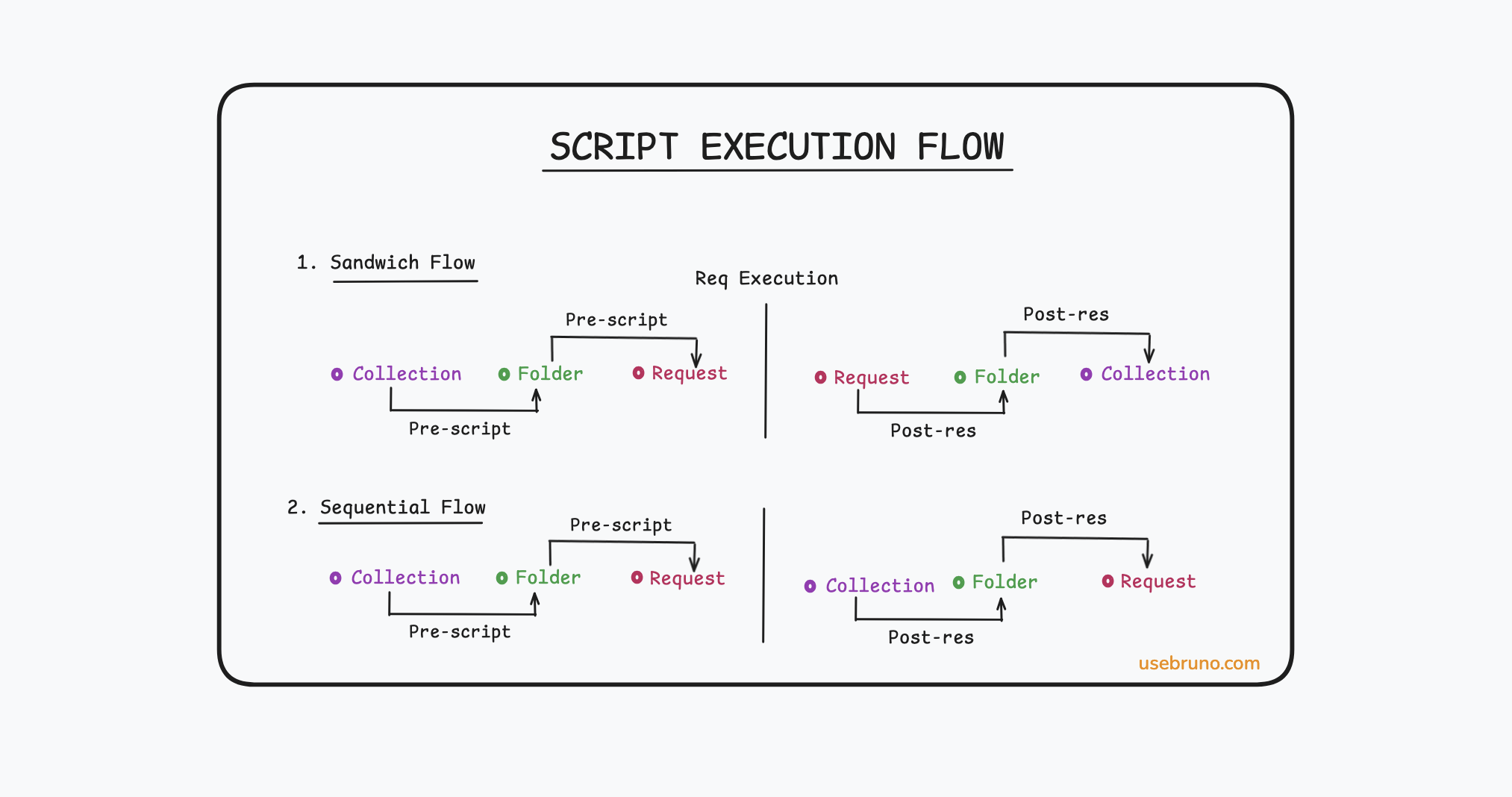
When you're building and testing APIs, automation is key. Bruno, as an API client, empowers you to automate your API workflows using powerful JavaScript ...
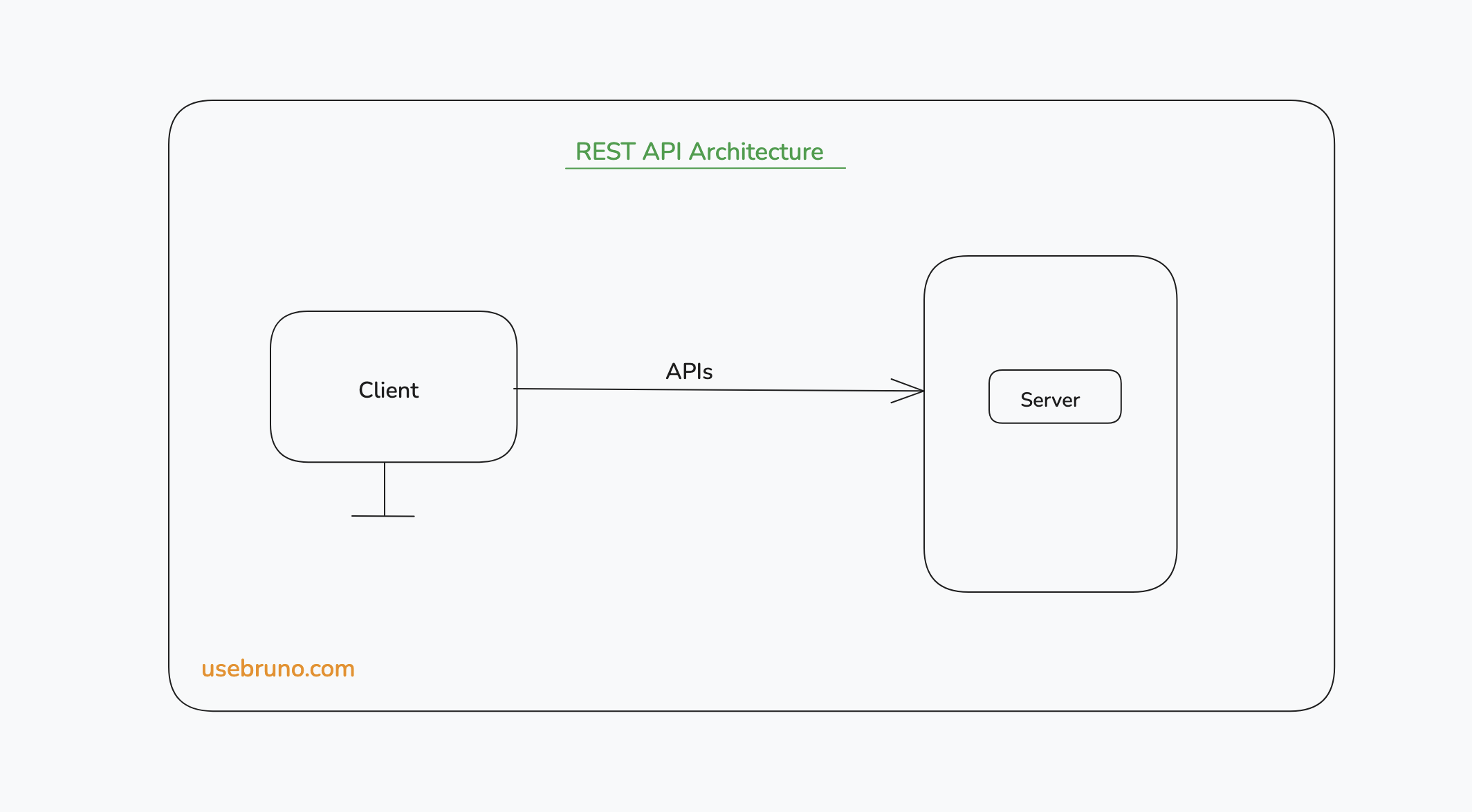
REST APIs stand for Representational State Transfer, and they are the backbone of modern software development, enabling communication between systems.