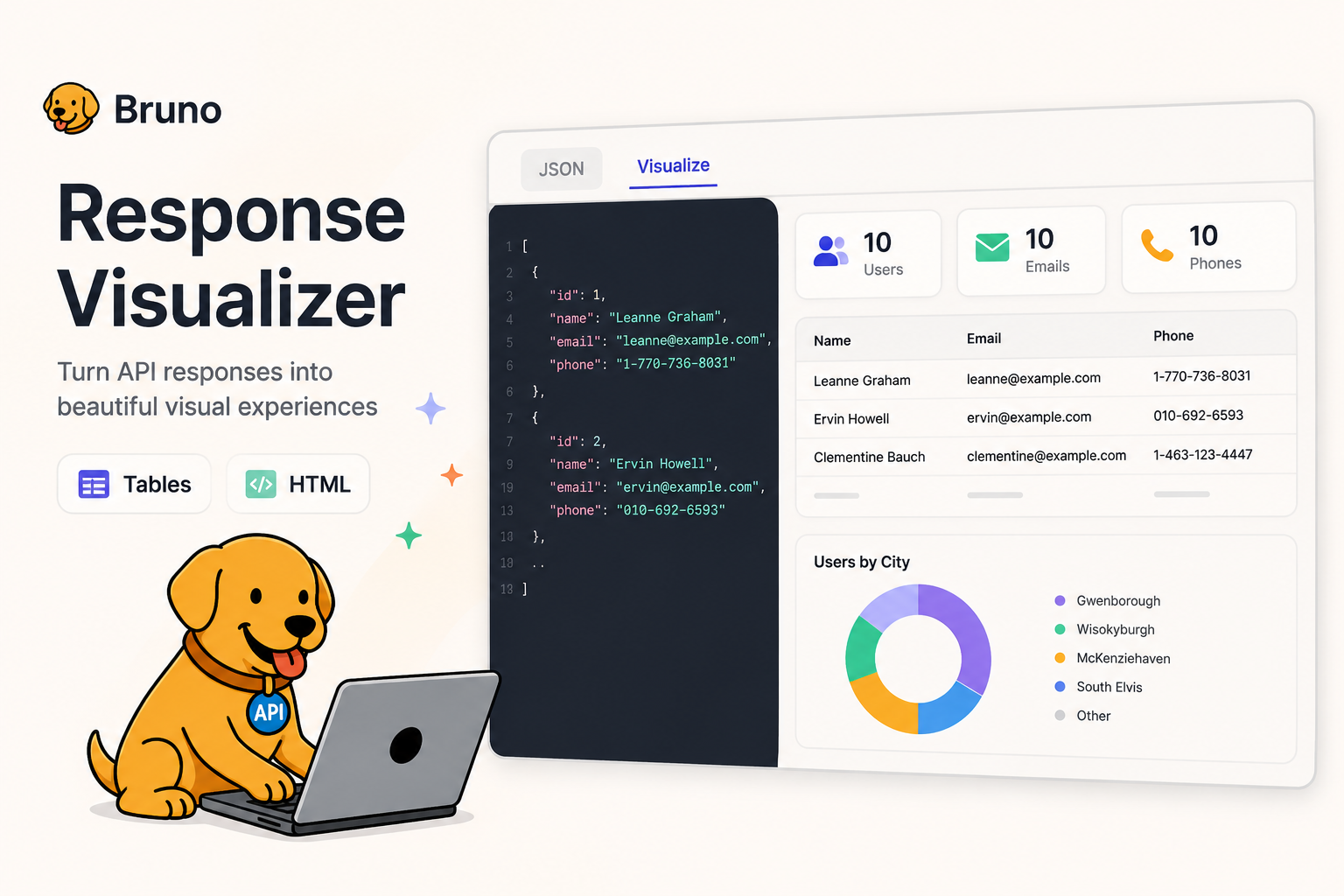
Visualize API Responses with Bruno Visualizer
Working with APIs often means dealing with large and deeply nested JSON responses. While raw JSON is useful, it quickly becomes difficult to scan, debug, and ...
Your home for API resources, updates, and community news.
Working with APIs often means dealing with large and deeply nested JSON responses. While raw JSON is useful, it quickly becomes difficult to scan, debug, and ...
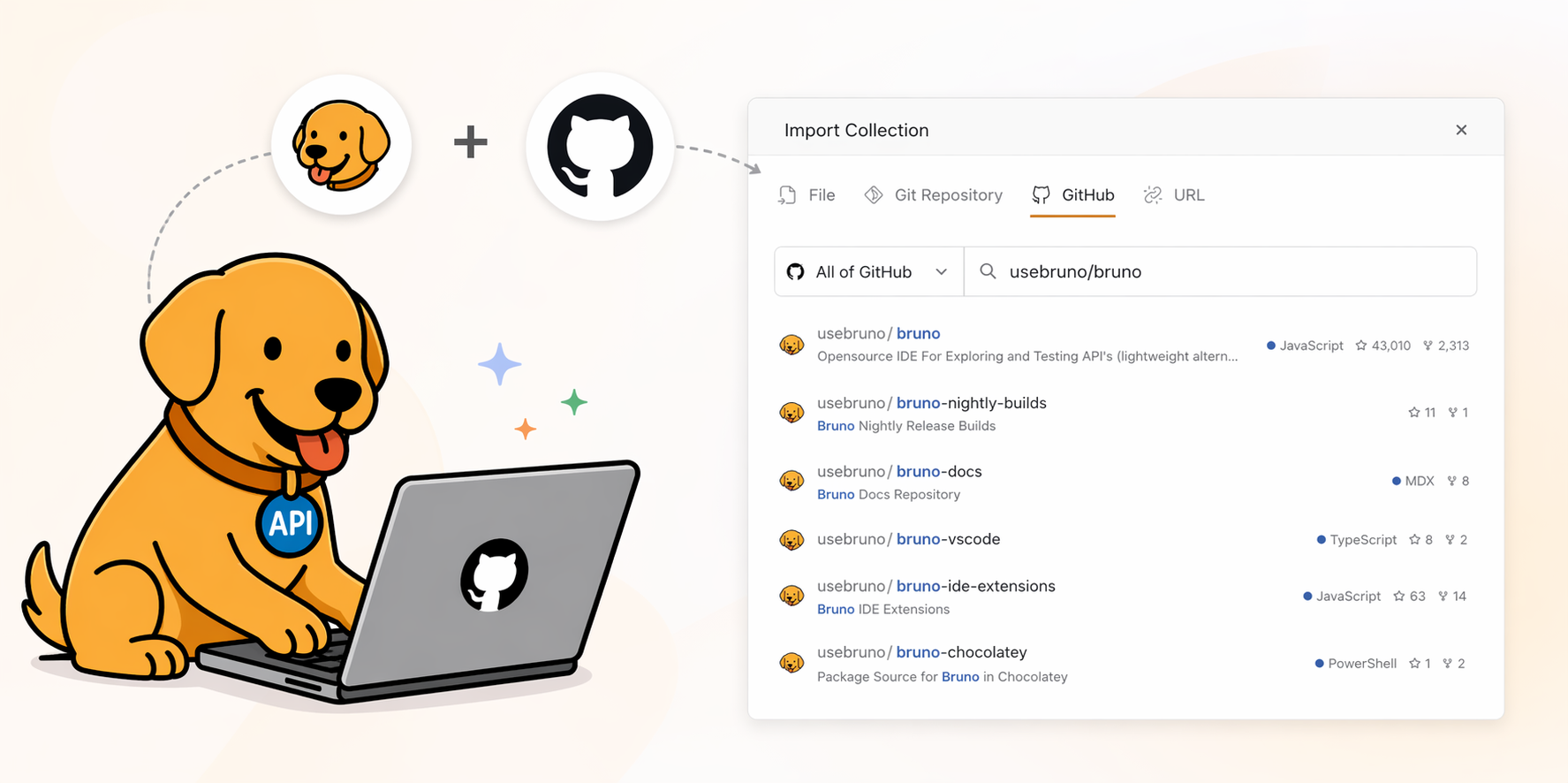
Bruno is a local-first, file-system-based, Git-friendly, open-source API client. You store collections directly inside your codebase and they grow naturally ...
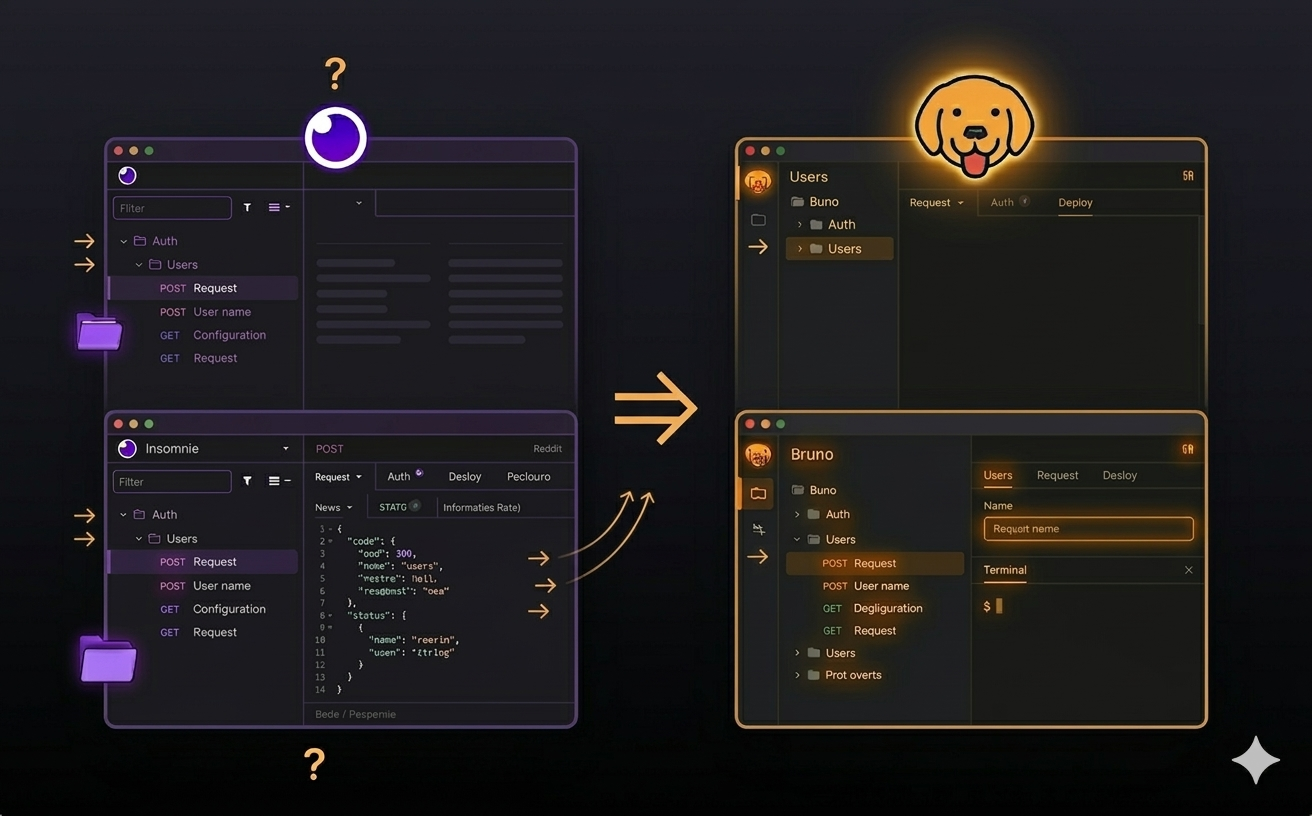
Looking to move from Insomnia to Bruno? This guide walks you through the migration process step by step, including how to export your Insomnia collection, ...

Git can feel intimidating at first, but its core ideas are simpler than they seem. This guide explains what Git is, how it relates to GitHub, how commits, ...

FastAPI helps you build APIs faster with automatic OpenAPI documentation, built-in Swagger and ReDoc support, and a clean Python developer experience. Bruno ...
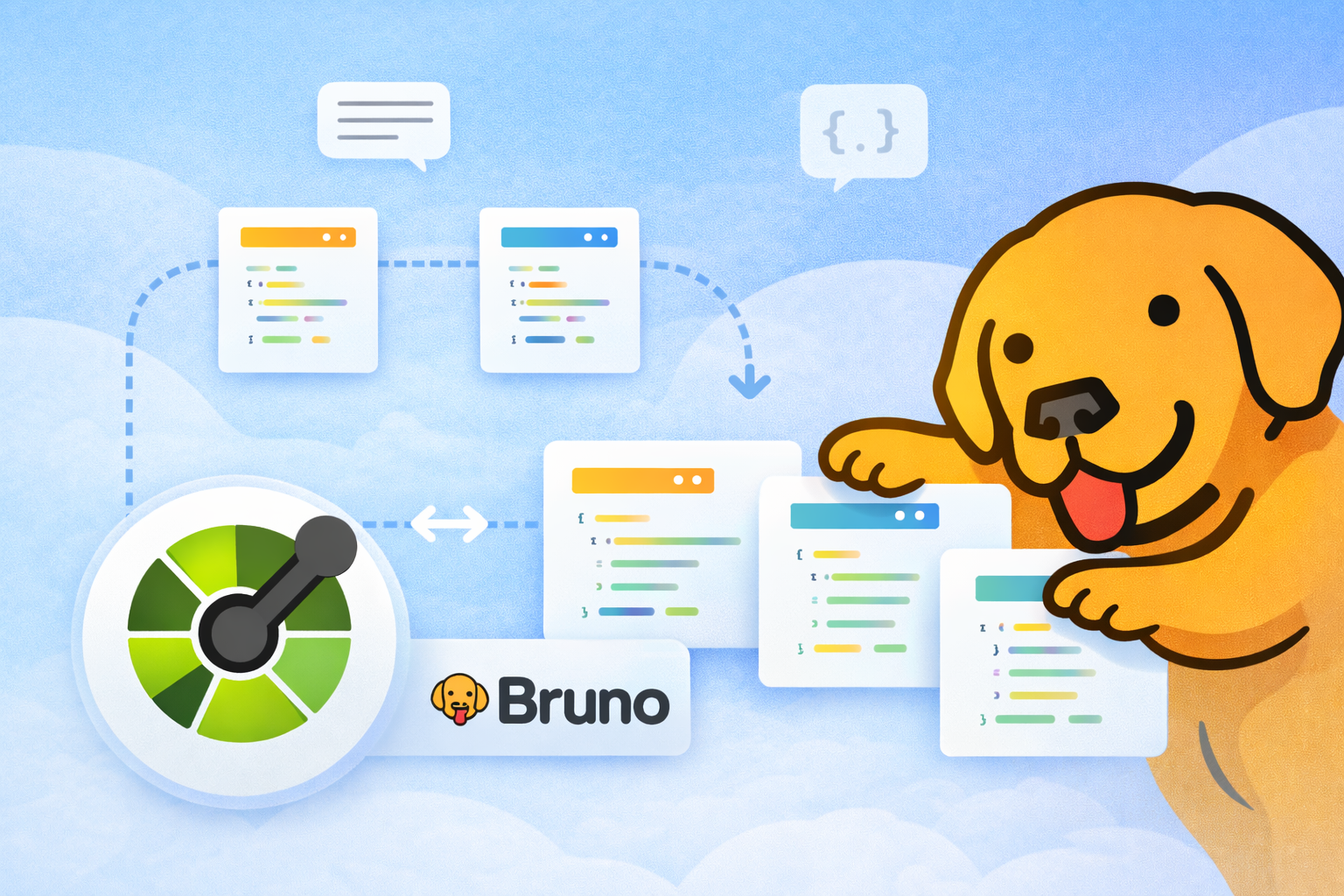
Keeping API collections aligned with a constantly evolving OpenAPI or Swagger specification can be frustrating. Teams often end up manually re-importing specs, ...

Bruno is the open-source, Git-first API client that keeps collections on disk as plain-text .bru / .yaml files—zero vendor lock-in. Cursor is the AI-powered ...

Bruno provides a System Browser option for OAuth 2.0 Authorization Code authentication, allowing you to use your default system browser instead of the embedded ...

Overview As you know, Bruno stores collections directly on your filesystem, with each request saved in a plain-text .bru format. Starting with Bruno v3.1, any ...

Table of Contents Building Docs from Scratch: A User-First Approach Choosing Your Documentation Platform: A Landscape of Options Conclusion Great software ...
Table of Contents Introduction: How Frontend API Tooling Actually Evolved 1. The Early Days: XMLHttpRequest (XHR) 2. Axios: The Default Before Fetch Was ...
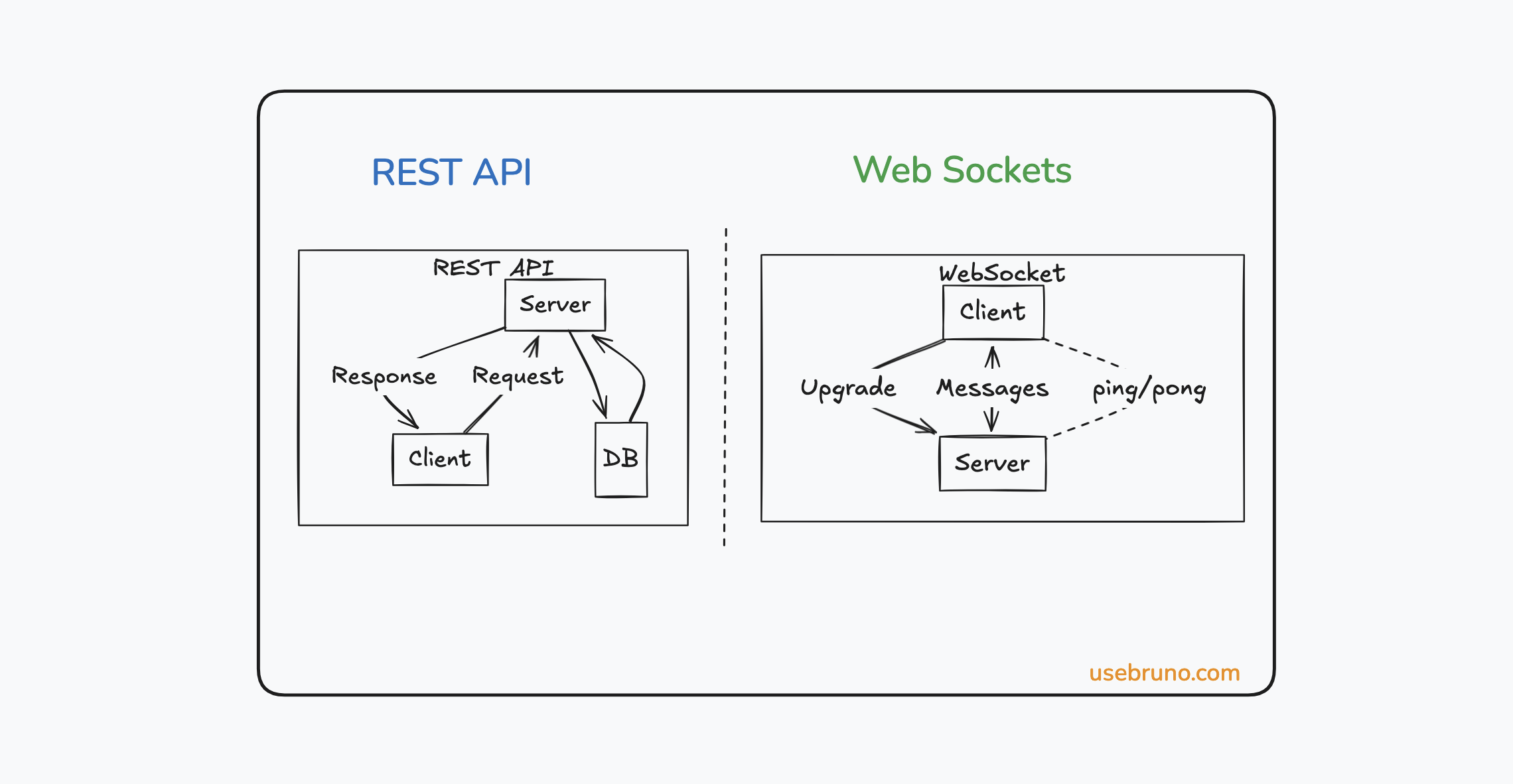
In the evolving landscape of web development, the demand for instant, seamless user experiences is higher than ever. While REST APIs have long been the ...